
What Happens If You Eat Ginger Everyday? Top 10 Health Benefits

The rhizome of the ginger plant is probably one of the most popular superfoods on our planet, and we can attribute this to its unique taste and numerous health benefits. Known for its warm, slightly spicy flavor, ginger has been cherished not only in culinary traditions but also in medicinal practices across cultures for centuries.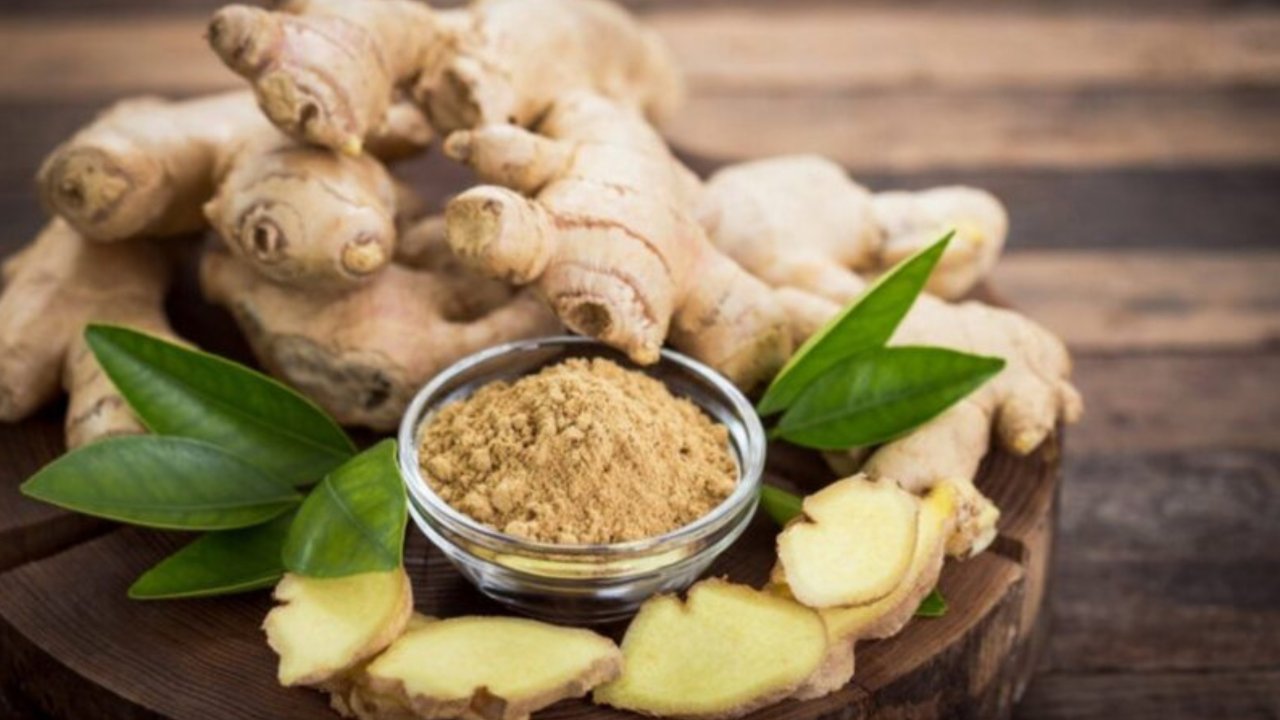 It was found that the rhizome of the ginger plant was one of the most widely used herbs in traditional Ayurveda, Chinese medicine, as well as in European and American herbal practices. In these ancient systems, ginger was praised for its ability to support digestion, reduce inflammation, and boost immunity.
So, we can confidently call the ginger plant one of the most popular and versatile superfoods on our planet—a title it has earned through centuries of use and its remarkable benefits for both flavor and health.
Ginger Uses in Ayurveda
There is a famous saying in Kerala called `Chukkillatha kashayamilla’ (which means there is no concoction without `chukku’ or dry ginger). In almost all Ayurveda medicines, `chukku’ is a common ingredient because of its carminative and digestive properties (Kannan, K. and Nair, K.P.V,1992).
It is because of its carminative and digestive properties that it is used in many ayurvedic formulations. According to Ayurveda, the root cause of all diseases is due to indigestion at all levels of metabolism.
So, a daily intake of ginger as an ingredient is good enough to keep sickness away. According to Ayurveda principles, dry ginger helps to control and balance all three doshas. But it may increase Pitta if consumed in excess.
Consumption of fresh ginger can increase Pitta, so it should be prohibited in high Pitta levels, such as inflammation, heavy bleeding, or fever.
Consuming ginger can be best for the digestive system as it stimulates appetite, increases Agni (digestive fire), reduces bloating from gas, and heavy bleeding. It also helps prevent menstrual cramps, maintains heart health, and prevents hemorrhoids.
Fresh ginger is the best sweating stimulant for colds, coughs, vomiting, and Vata imbalance. Dry ginger is hotter and drier than fresh ginger and acts better as a stimulant and mucus reliever, nurturing Kapha and aiding digestion.
Dry and Fresh Ginger Uses in Ayurveda
In Ayurveda, ginger (both fresh and dry) is celebrated as a potent herbal remedy with a wide range of health benefits. It is used to balance the body’s doshas—primarily Vata and Kapha—and to support digestion, respiratory health, and overall vitality. Below are some of the key Ayurvedic actions of ginger, along with their traditional Sanskrit names:
- Anahahara: Relieves fullness of the abdomen, gas, and bloating.
- Bhedini / Vibandhahara: Acts as a natural laxative; helpful in relieving constipation.
- Hikkahara: Alleviates hiccups.
- Jihva Vishodhana: Clears coating on the tongue, often a sign of digestive imbalance.
- Kasahara: Useful in managing cold and cough.
- Kaphavatahara: Helps balance the Vata and Kapha doshas.
- Kantamayaapaha: Effective in treating throat-related disorders.
- Kaphahara: Beneficial for asthma and a productive cough by balancing excess Kapha.
- Ruchida: Enhances appetite and improves the sense of taste, helpful in anorexia.
- Shwasahara: Supports the treatment of chronic respiratory conditions, including asthma.
- Shoolajit: Relieves abdominal colic and spasmodic pain.
- Shophahara: Acts as an anti-inflammatory; reduces swelling and edema.
- Svarya: Improves voice quality and vocal clarity.
- Vamihara: Alleviates nausea and vomiting.
Whether used in fresh form (known as adrak) or dry form (shunthi), ginger remains a cornerstone in Ayurvedic healing due to its deep-rooted effectiveness across various health concerns.
Ayurvedic Properties
- Rasa (Taste): Katu (Pungent)
- Guna (qualities): Guru, Rooksha, Teekshna (Heavy, Dry, Sharp)
- Vipaka (taste conversion after digestion): Madhura (sweet)
- Veerya (potency): Ushna (hot)
Tridosha Effect
- It balances Kapha dosha.
Part Used
- Rhizome (Both fresh and dry)
Dosage
- Powder 1-2 g
- Syrup 2-5 ml
- Fresh Juice 5-10 ml
In a single or divided dose per day.
What Is Ginger And Ginger Root?
Ginger is usually confused with turmeric because of its form and appearance. The truth is that they are closely related together with cardamom. The underground stem of the ginger plant is known as the ginger root and is well known for its medicinal properties.
The Health benefits of ginger have been documented around the world for thousands of years in various civilizations in ancient Ayurveda( Sanskrit texts), Chinese, Roman, Greek, and Arabic[1].
Ginger Nutritional Information
100 grams of raw ginger have approximately[ 2]:
- 80 calories
- 17.8 Grs. of Carbohydrates
- 1.8 Grs. of Protein
- 0.7 Grs. of fats
- 2 Grs. of Dietary Fiber
- 12% DV Potassium
- 11% DV of Copper
- 11% DV of Manganese
- 11% DV Magnesium
- 8% DV of Vitamin C
- 8% DV of Vitamin B6
- 4% DV of Niacin
- 3% DV of Phosphorus
- 3% DV of Iron
12 Benefits And Properties Of Ginger
- Helps treat nausea
- Protects against stomach ulcers
- May inhibit cancer growth
- Relieves joint and muscle pain
- Improves brain function
- Relieves inflammation
- Fight fungal infections
- Relieves menstrual cramps
- Regulates blood sugar levels
- Reduces cholesterol levels
- Blocks bacterial infections
- Promotes good digestive system health
1. Helps Treat Nausea
Ginger has been used for many years as a natural remedy to relieve nausea and vomiting. An analysis of 12 studies consisting of 1,278 pregnant women found that ginger helped decrease nausea symptoms with minimal risk of side effects[3].
On the other hand, another study showed that ginger helped reduce the severity of nausea in patients treated with chemotherapy[4].
2. Protects Against Stomach Ulcers
Stomach ulcers are painful sores that form on the wall of our stomach and cause indigestion, fatigue, heartburn, and discomfort. Numerous studies found that ginger helps prevent stomach ulcers.
A study carried out in 2011 showed that powdered ginger protects against ulcers induced by the consumption of aspirin, by reducing the levels of inflammatory proteins and blocking the enzymes related to their development[5].
3. May Inhibit Cancer Growth
Ginger has been found to possess strong anti-cancer capabilities thanks to the presence of a compound called 6-gingerol.
Test-tube studies have shown that ginger and its compounds are effective in blocking the growth and development of cancer cells in the ovaries, pancreas, and prostate[6, 7, 8]. However, more research is needed to determine the properties of ginger against cancer in general.
4. Relieves Joint and Muscle Pain
Thanks to its great anti-inflammatory capacity, ginger helps treat both muscle and joint pain related to arthritis. Daily consumption of ginger has been shown to help substantially reduce muscle pain caused by exercise[9].
On the other hand, another study carried out in people with osteoarthritis (usually in the knees) showed that the consumption of ginger extract helped reduce knee pain and the need for pain medications[10].
5. Improves Brain Function
Some neurodegenerative diseases, such as Alzheimer’s and Parkinson’s, have been linked to oxidative stress and chronic inflammation of the brain. With its great antioxidant and anti-inflammatory capabilities, we could deduce that ginger can play an important role in brain health.
Some studies have shown that ginger extract could protect against brain aging and cognitive decline[11, 12]. On the other hand, a 2012 study showed that ginger helps improve attention and cognitive function in middle-aged women[ 13].
6. Relieves Inflammation
Inflammation is originally a healthy, autoimmune response to injury and infection, but chronic inflammation is thought to contribute to conditions such as obesity, diabetes, cancer, and heart disease[14].
A review of studies from the International Journal of Preventive Medicine showed that the compounds gingerol, shogaol, paradol, and zingerone present in ginger can help to inhibit the synthesis of some inflammation markers[15].
Another benefit of ginger that remains to be demonstrated but has appeared in the prevention of blood clots (reducing the possibility of heart attacks), thanks to its natural acids that thin the blood[16].
7. Fight Fungal Infections
Yeast infections can cause a wide variety of conditions, such as jock itch or athlete’s foot. Thanks to its antifungal properties, ginger helps kill the fungi that cause these diseases.
A 2016 study showed that ginger is effective against two types of fungi that commonly cause infections in the mouth [17]. On the other hand, another study conducted tests to measure the antifungal effectiveness of plants and found that ginger is the most effective in killing fungi[18].
8. Relieves Menstrual Cramps
Unfortunately, there are side effects such as pain, cramps, and headaches associated with menstruation in many women. While many turn to over-the-counter medications to alleviate symptoms, some natural alternatives like ginger can be just as helpful.
A study conducted found that ginger reduces menstrual pain as effectively as ibuprofen and mefenamic acid [19]. Another study in 2009 showed that it reduces both the intensity and duration of menstrual pain[20].
9. Regulates Blood Sugar Levels
We all know that high blood sugar levels cause many negative symptoms, leading to the possibility of causing problems such as diabetes or nerve damage.
Research has shown that ginger helps promote blood sugar balance. A study conducted in 2015 found that eating ginger on an empty stomach reduced blood sugar by 12% and improved the long-term index by 10% [ 21].
10. Reduces Cholesterol Levels
Elevated cholesterol levels can cause blockages in our blood vessels, increasing the risk of heart disease. One of the biggest benefits of ginger is its ability to lower cholesterol and triglyceride levels naturally, reducing the chances of cardiovascular problems.
A study carried out found that the consumption of ginger could significantly reduce bad cholesterol (LDL) while increasing the amounts of good cholesterol (HDL) compared to a placebo group [22].
Another study showed that ginger is as effective in improving cholesterol markers as atorvastatin, a drug commonly prescribed for this condition[23].
11. Blocks Bacterial Infections
In addition to having antifungal properties, ginger is a great antibacterial, effective against urinary tract infections, pneumonia, or bronchitis, among others.
In a test-tube study, ginger was shown to help inhibit the growth of certain strains of bacteria related to gum disease [24]. On the other hand, another study found that ginger is also effective against various strains of bacteria resistant to some drugs[25].
12. Promotes Good Digestive System Health
One of the most prominent properties is its ability to support digestive health and prevent problems such as indigestion or dyspepsia (slow transit), which often lead to pain, heartburn, fullness, and discomfort.
According to a study conducted, ginger helps stomach emptying by 25% compared to a placebo in people with indigestion [26]. On the other hand, another study found that taking ginger capsules with a meal doubles the speed of stomach emptying[27].
Who Should Not Take Ginger?
There are no short-term or long-term side effects of ginger, consuming or external use of ginger. But one must take precautions in such conditions, like[28]:
Ingestion: Ginger is likely safe, but may cause mild side effects such as diarrhea, heartburn, general stomach discomfort, and belching. The risk of side effects may occur if higher doses of 5 grams per day.
Skin Application: Ginger is possibly safe for short-term use, but it can cause skin irritation in some people.
Pregnancy: Ginger is likely safe to eat when taken orally as a medicine during pregnancy. But in some cases can increase the risk of bleeding, which is why some experts do not recommend using it closer to the delivery date. But it seems like it can be used safely for morning sickness without harm to the baby. So, consult your doctor about using ginger in pregnancy.
Breastfeeding: Ginger is probably safe to eat, but there is not enough reliable source of information to know if it is safe to consume large amounts of ginger while breastfeeding. Be careful and avoid using.
Children: Ginger is possibly safe to be taken by mouth for 4 days in adolescents early in their period.
Blood clotting disorders: Taking ginger may increase the risk of bleeding.
Heart disease: High doses of ginger can worsen some heart conditions.
Surgery: Ginger can slow blood clotting, so it can cause extra bleeding during and after surgery. So stop consuming ginger at least 2 weeks before your scheduled surgery.
How To Consume Ginger?
Ginger has antioxidant, anti-inflammatory properties and contains therapeutic compounds such as gingerol, shogaol, paradol, and zingerone that are responsible for a large number of benefits.
We already understood that ginger is a great superfood for anyone, but how do we go about consuming it?
Ginger can come in different formats:
- Ginger powder
- Ginger in capsules
- Root ginger (fresh)
- Ginger tea
- Ginger Lemonade
- Lemon and ginger juice
Ginger as an ingredient gives amazing flavor to the drink or food. In the case of wanting to add fresh ginger to your diet, it recommends cutting some slices and adding them to your drinks for extra spice. It can also be grated or blended to add to soups, salads, or sweets to enhance its flavor.
On the other hand, ground or powdered ginger can also be used to cook baked goods, desserts, and sweets. A very tasty addition to sauces, stews, or curries.
According to Ayurveda, the root cause of all diseases is due to indigestion, and for that ginger is a best medicine to keep you away from all illnesses.

























The use of ginger is not only restricted to the kitchen but also extends to alternative methods of treatment like Ayurveda, Aromatherapy, Naturopathy, Herbal therapy, etc.
Over forty-four hundred years ago, according to “Rodale’s Encyclopedia of Herbs”, Greek bakers made gingerbread from ginger that was imported from the Orient.
I am absolutely amazed by the incredible health benefits of ginger! This root truly deserves all the appreciation it receives for its exceptional contribution to our well-being. The top 10 health benefits of ginger are truly remarkable and deserve recognition