
Top 10 Ayurvedic Secrets to Lose Weight Fast Naturally

In a modern world obsessed with fad diets and calorie counting, Ayurveda offers a refreshingly different weight loss perspective. The diet industry treats bodies like calculators, but yours is a complex, interconnected ecosystem. Ayurveda views weight gain as an internal imbalance. Excess weight stems from sluggish digestion, toxic buildup, and aggravated earth and water elements, known as the Kapha dosha, rather than simple mathematical failure.
Correcting these imbalances lets your body naturally release extra weight. Ayurveda focuses on optimizing digestion, detoxifying your system, and eating with natural rhythms, making fast weight loss both effortless and deeply sustainable.
Embrace this holistic approach by listening to your unique biological constitution. Incorporating warm, spiced foods, mindful habits, and routines tailored to your dosha restores inner harmony, making long-term wellness achievable.
The Ayurvedic Anatomy of Weight Loss
Before diving into the secrets, it is crucial to understand three foundational Ayurvedic concepts:
- Agni (Digestive Fire): This is your metabolism. When Agni is strong, food is digested completely, and waste is efficiently eliminated. When Agni is weak, undigested food turns into toxins.
- Ama (Toxic Buildup): This is the byproduct of weak digestion. Ama is a heavy, sticky, white-coated substance that clogs the digestive tract, blood vessels, and cellular membranes. In Ayurveda, fat is often seen as a carrier for Ama. You cannot burn fat if your cells are clogged with toxins.
- Kapha Dosha: The three doshas (Vata, Pitta, Kapha) are the bio-energies that govern our physiology. Kapha, made of earth and water, provides structure, lubrication, and immunity. When out of balance, Kapha leads to weight gain, water retention, lethargy, and slow metabolism.
Top 10 Natural Ayurvedic Ways to Lose Weight Fast
Below are the Top 10 Ayurvedic Secrets to Lose Weight Fast, Naturally. These time-tested Ayurvedic practices are designed to support healthy digestion, balance Agni, reduce Ama, and help manage excess Kapha.
Secret 1: Ignite Your Digestive Fire (Agni)
If you only take away one secret from this article, let it be this: Weight loss is impossible without strong Agni. You could eat the healthiest organic food on the planet, but if your digestive fire is weak, that food will turn into Ama (toxins) and fat.
To lose weight fast, you must stoke your metabolic fire.
- Stop snacking: Ayurveda strongly advises against grazing. Every time you put food in your mouth, your digestive system has to restart its engine. By eating three distinct meals a day with no snacks in between, you allow your stomach to completely digest the previous meal, giving your Agni the space to burn off stored fat in the interim.
- Fast overnight: Aim for a 12-to-14-hour overnight fast. If you finish dinner by 7:00 PM, do not eat until 9:00 AM the next day. This gives your body ample time to digest, detoxify, and metabolize fat stores.
- Eat only when truly hungry: You know your Agni is working when you feel a genuine, light hunger in your stomach. If you eat out of boredom, stress, or habit, you are dousing your digestive fire with food it didn’t ask for.
Secret 2: Drink the Morning Elixir (Warm Water, Lemon, and Honey)
How you start your morning sets the tone for your entire digestive day. In the modern world, many people reach for an iced coffee or ice water. According to Ayurveda, ice-cold drinks literally freeze your Agni, halting your metabolism before it even begins.
Instead, Ayurveda prescribes a simple yet profoundly effective morning elixir: Boil a glass of water, let it cool slightly until it is warm (not scalding), squeeze in the juice of half a fresh lemon, and add one teaspoon of raw, unheated honey.
- Why warm water? Warm water acts as an internal broom, sweeping away toxins that have accumulated in the digestive tract overnight.
- Why lemon? Lemon is highly alkalizing and helps to loosen Ama from the digestive tract.
- Why RAW honey? This is a critical Ayurvedic rule: Never heat honey. Heated honey turns into a sticky toxin called Ama in the digestive tract. Raw honey, however, has a unique quality called Lekhana—meaning it has a scraping action. It literally scrapes away fat and toxins from the body. Drink this first thing in the morning on an empty stomach, and wait at least 30 minutes before eating.
Secret 3: Eat According to Your Dosha (The Kapha-Pacifying Diet)
In Ayurveda, food is medicine, but the right medicine for one person can be poison for another. However, because excess weight is inherently a Kapha imbalance, almost anyone trying to lose weight will benefit from a Kapha-pacifying diet.
Kapha is heavy, cold, oily, and slow. To counteract this, you must eat foods that are light, warm, dry, and sharp.
- Favor: Cooked vegetables (leafy greens, broccoli, cauliflower, asparagus), legumes (mung beans, lentils), and grains like barley, millet, quinoa, and buckwheat.
- Reduce: Heavy, sticky, and cold foods. This means minimizing wheat, white rice, oats, dairy (especially cheese, milk, and ice cream), sugar, and heavy meats.
- Cook with intelligence: Make your food “lighter” by cooking it well and adding warming spices. A bowl of cold cereal with milk is a Kapha nightmare. A bowl of warm millet porridge with cinnamon and a dash of ghee is a Kapha-balancing powerhouse.
- Avoid iced drinks: Stick to warm water or ginger tea throughout the day.
Secret 4: Master the Six Tastes (Shad Rasa)
Modern diets are dominated by three tastes: sweet, sour, and salty. These three tastes are heavy, grounding, and anabolic—they build tissue and, in excess, build fat. Ayurveda identifies six tastes that should be present in every meal: Sweet, Sour, Salty, Pungent (spicy), Bitter, and Astringent (dry).
To lose weight fast, you must intentionally bring the last three tastes into your diet:
- Pungent (Spicy): Chili peppers, black pepper, ginger, garlic, mustard. These spices ignite Agni, increase circulation, and melt away fat.
- Bitter: Turmeric, leafy greens, fenugreek, dandelion. Bitter foods are highly detoxifying. They scrape away fat, cleanse the liver, and draw out excess water retention.
- Astringent: Beans, lentils, pomegranate, cranberries, green tea, broccoli. Astringent foods have a drying effect on the body, absorbing excess moisture and tightening tissues.
If your lunch is a Kapha-balancing bowl of spiced lentils (pungent/astringent) with turmeric (bitter) and steamed greens (bitter/astringent), you will feel deeply satisfied without feeling heavy, and your body will naturally begin to shed pounds.
Secret 5: The Art of Mindful Eating (How You Eat is as Important as What You Eat)
You could be eating the perfect Ayurvedic diet, but if you eat it while staring at a stressful email or watching a thriller on Netflix, you will struggle to lose weight. Ayurveda places massive importance on how you eat.
Digestion begins in the head. When you see, smell, and anticipate food, your mouth begins to water, releasing digestive enzymes.
If your mind is distracted by screens or stressful conversations, your nervous system shifts into “fight or flight” mode.
In this state, your body shuts down digestion because it is preparing to survive a threat, not digest a meal. Food sits undigested, turning into Ama and fat.
Practice these mindful eating rules:
- Sit down. Never eat standing up, walking, or driving.
- Eat in silence or peaceful conversation. Turn off the TV, put away the phone, and focus on the flavors, textures, and aromas of your food.
- Chew your food completely. Digestion starts in the mouth. Chewing mixes food with saliva, making it easier for your stomach to process.
- Eat until you are 75% full. The stomach should be one-third food, one-third liquid, and one-third empty space to allow for proper churning and digestion. Leaving the table feeling “light” is the ultimate Ayurvedic weight-loss hack.
Secret 6: Harness the Power of Ayurvedic Fat-Burning Herbs
Ayurveda has a vast pharmacopeia of herbs designed specifically to scrape away fat, detoxify the liver, and boost metabolism. Incorporating these herbs into your daily routine can drastically accelerate your weight loss.
- Triphala: The most famous Ayurvedic formulation, consisting of three fruits (Amalaki, Bibhitaki, and Haritaki). Triphala gently detoxifies the digestive tract, encourages regular bowel movements, and removes Ama. Taking 1/2 teaspoon of Triphala powder in warm water before bed is a staple for weight loss.
- Guggulu: This resin is renowned in Ayurveda for its Lekhana (scraping) property. It specifically targets cholesterol, lipids, and stubborn fat deposits. It is often combined with Triphala or Trikatu for weight loss.
- Trikatu: A combination of three pungent herbs: black pepper, long pepper, and ginger. Trikatu literally reignites a sluggish digestive fire, making it an excellent supplement to take before meals to boost metabolism.
- Ginger: Known as Vishwabheshaja (the universal medicine), ginger is a powerhouse for weight loss. Sipping ginger tea throughout the day prevents the accumulation of Ama and keeps Agni blazing.
- Fenugreek (Methi): Soaking a teaspoon of fenugreek seeds in water overnight and drinking the water in the morning helps control blood sugar spikes, which prevents the insulin surges that lead to fat storage.
Secret 7: Sync with Nature’s Clock (Circadian Rhythm)
Ayurveda operates on the principle that the human body is a microcosm of the universe, and therefore, our internal clocks must align with the cycles of nature. The day is divided into three cycles, each dominated by a different dosha:
- 6:00 AM to 10:00 AM (Kapha Time): The body is naturally heavy, slow, and relaxed. If you sleep through this time, you amplify Kapha, waking up groggy and sluggish. This is the best time for light, brisk exercise to shake off lethargy.
- 10:00 AM to 2:00 PM (Pitta Time): The sun is highest in the sky, and so is your digestive fire. This is when you should eat your largest, heaviest meal. Your body can process a heavy meal at noon with incredible efficiency, turning it into energy rather than fat.
- 2:00 PM to 6:00 PM (Vata Time): The nervous system is active. This is a great time for creative work and mental tasks.
- 6:00 PM to 10:00 PM (Kapha Time): As the sun sets, the Kapha cycle returns. Your digestion naturally slows down. Therefore, dinner should be your smallest and lightest meal. Eating a heavy dinner at 8:00 PM is a recipe for weight gain, as your weak evening Agni cannot digest it, turning it directly into Ama.
- 10:00 PM to 2:00 AM (Pitta Time): The body uses this time for internal cleansing and repair. If you are awake during this time, you disrupt the liver’s detoxification process.
Eating a big lunch and a tiny, early dinner is one of the fastest ways to see the scale drop.
Secret 8: Move Your Body the Ayurvedic Way (Yoga and Pranayama)
While HIIT workouts and heavy weightlifting are popular, Ayurveda approaches exercise differently. For weight loss, the goal is to stimulate Agni and sweat out Ama, but not to exhaust the nervous system.
Over-exercising increases Vata (air and ether elements), which can lead to joint pain, anxiety, and eventual burnout.
Ayurveda recommends exercising to 50% of your capacity—meaning you should break a light sweat and breathe through your nose, but still have energy left to hold a conversation.
For rapid, Kapha-reducing weight loss, the following practices are unmatched:
- Surya Namaskar (Sun Salutations): This flowing sequence of poses is the ultimate Ayurvedic workout. It stretches, strengthens, and tones every major muscle group while simultaneously stimulating the digestive organs and stoking the metabolic fire. Do 3 to 5 rounds every morning.
- Kapalabhati (Skull Shining Breath): This is a powerful, rapid breathing technique (Pranayama) where you forcefully exhale while pulling the navel toward the spine. It is incredibly effective for weight loss because it directly massages the abdominal organs, rapidly increases Agni, and blows out stagnant energy. Practice 3 rounds of 30 breaths before meals.
- Brisk Walking: Walking in nature, especially during the Kapha hours of the early morning, is highly recommended. The rhythmic movement aids lymphatic drainage, which is essential for moving trapped fats and toxins out of the body.
Secret 9: Regular Detoxification (Clearing the Channels)
You cannot lose weight if your body’s elimination channels are blocked. Ayurveda likens the body’s channels (Srotas) to irrigation canals.
If the canals are clogged with Ama, nutrients cannot get in, and waste cannot get out. Fat accumulates as a protective mechanism to store these toxins away from vital organs.
To lose weight fast, you must clear the channels.
- Tongue Scraping: First thing in the morning, scrape your tongue with a copper or stainless-steel tongue scraper. You will notice a white, fuzzy film. This is Ama. If you swallow it back down, you are re-ingesting toxins. Tongue scraping not only improves digestion but also enhances your sense of taste, preventing overeating.
- Daily Oil Massage (Abhyanga): This is a secret weapon for weight loss. Before your morning shower, massage warm organic oil into your skin for 10-15 minutes. For weight loss, use Kapha-reducing oils like dry brush, or light oils like mustard seed or sesame oil. Abhyanga does three things: it moves stagnant lymph fluid, it pushes toxins out through the skin (the body’s largest organ of elimination), and it calms the nervous system, reducing stress-induced eating.
- Seasonal Cleanses (Panchakarma): For rapid weight loss, undergoing a professional Panchakarma cleanse is unparalleled. However, you can do a simplified home version by eating a mono-diet of Kitchari (a highly digestible, detoxifying mixture of mung beans and basmati rice) for 3 to 7 days. This gives your digestive system a complete rest, allowing it to burn up its own fat reserves and flush out deep-seated Ama.
Secret 10: Manage Stress and Cultivate Ojas (The Sleep Connection)
In the modern world, stress is a primary driver of weight gain. When you are stressed, your body produces cortisol.
Chronically high cortisol signals your body to store fat around the midsection as a survival mechanism. Furthermore, stress depletes Ojas—the subtle essence of vitality, immunity, and perfect health.
When Ojas is low, we feel empty, and we often try to fill that emptiness with food (emotional eating).
Ayurveda views sleep as the ultimate medicine. You cannot lose weight if you are sleep-deprived.
- Prioritize Sleep: Aim to be in bed by 10:00 PM. Staying up past 10:00 PM kicks in the second wind of Pitta energy, which can lead to late-night cravings and disrupted metabolism.
- Meditation: Just 10 to 15 minutes of silent meditation or mindfulness practice a day has been scientifically proven to lower cortisol levels. When cortisol drops, the body feels safe enough to let go of stored fat.
- Self-Love and Body Positivity: Ayurveda is a deeply spiritual science that teaches us to love our bodies as temples. Hating your body for being overweight creates stress, which creates more weight. Shift your mindset from “I need to punish my body into losing weight” to “I am going to nourish my body back into balance.” This mental shift drastically reduces emotional eating and creates a harmonious environment for physical transformation.
Putting It All Together: A Sample Ayurvedic Weight Loss Day
To make these secrets actionable, here is what a typical day of following the Ayurvedic weight loss protocol looks like:
Morning (6:30 AM – 8:00 AM):
- Wake up before 7:00 AM during Kapha time.
- Scrape your tongue, brush your teeth, and drink a glass of warm water.
- Perform 10 minutes of Abhyanga (oil massage) followed by a warm shower.
- Do 3 rounds of Surya Namaskar (Sun Salutations) and 3 rounds of Kapalabhati breathing.
- Drink your morning elixir: Warm water with lemon and raw honey.
- Wait 30-45 minutes.
Breakfast (8:00 AM – 9:00 AM):
- Keep it light. A small bowl of stewed apples with cinnamon and cloves, or a piece of toasted millet bread with a thin layer of ghee.
- Alternatively, if you are not very hungry, skip breakfast entirely and just have warm ginger tea. (Intermittent fasting is highly encouraged in Ayurveda if it feels natural).
Mid-Day (10:00 AM – 2:00 PM):
- Drink warm water or ginger tea throughout the morning. No snacking!
- Eat your largest meal at noon. Example: A bowl of spiced mung bean soup (dal) with quinoa, a large serving of sautéed spinach with turmeric, ginger, and garlic, and a side of steamed broccoli.
Afternoon (2:00 PM – 6:00 PM):
- Sip on warm water. You may have a cup of herbal tea, such as fenugreek tea or CCF tea (Cumin, Coriander, and Fennel seeds steeped in hot water), which is excellent for flushing water weight and detoxifying the urinary tract.
Evening (6:00 PM – 7:30 PM):
- Eat a light, early dinner before 7:00 PM. Example: A bowl of clear vegetable soup, or a small portion of warm cooked veggies with a little bit of protein.
- Avoid heavy carbs, sweets, and dairy at night.
Night (7:30 PM – 10:00 PM):
- Take 1/2 teaspoon of Triphala powder in a small cup of warm water.
- Engage in relaxing activities—reading, gentle stretching, or spending time with family. Turn off all screens an hour before bed.
- Get into bed by 10:00 PM for deep, restorative sleep.
Quick weight loss usually means crash diets and ruined metabolisms. But Ayurvedic weight loss happens naturally when you clear out built-up toxins and extra fat. Remove the roadblocks—like weak digestion and poor routines—and your body drops excess weight surprisingly fast.
Disclaimer: This article is for educational purposes only and should not replace professional medical advice. Always consult with a qualified healthcare practitioner or an Ayurvedic doctor before making significant changes to your diet, especially if you are pregnant, nursing, or taking medications.
FAQ’s
1. Can Ayurveda help with natural weight loss?
Ayurveda focuses on supporting digestion, balanced eating habits, daily routines, and overall wellness, which may help support healthy weight management.
2. What are the best Ayurvedic tips for losing weight naturally?
Common Ayurvedic approaches include eating mindfully, supporting healthy digestion, staying active, maintaining regular sleep, and choosing balanced, nourishing foods.
3. How does Ayurveda support digestion and weight management?
Ayurveda emphasizes maintaining healthy Agni, or digestive function, while encouraging routines and dietary habits that support overall metabolic health.
4. What is Agni in Ayurveda?
Agni is the Ayurvedic concept of digestive fire. Ayurveda traditionally considers balanced Agni important for proper digestion and overall well-being.
5. What is Ama in Ayurveda?
Ama is an Ayurvedic concept describing improperly digested or accumulated material in the body. Traditional Ayurvedic practices aim to support digestion and reduce Ama.
6. Can I lose weight fast with Ayurvedic remedies?
Healthy weight loss is generally more sustainable when it happens gradually. Ayurvedic practices can be used as part of a balanced lifestyle rather than as a guarantee of rapid weight loss.
7. Which Ayurvedic foods are good for weight management?
Ayurvedic dietary approaches often emphasize whole foods, vegetables, legumes, spices, and appropriately portioned meals while limiting highly processed foods.
8. Is Ayurveda safe for everyone?
Not necessarily. Individual needs vary, and some Ayurvedic herbs or supplements can interact with medications or may not be appropriate for certain people. Consult a qualified healthcare professional before starting supplements or major dietary changes.
9. How long does it take to see results from Ayurvedic weight-loss practices?
Results vary depending on diet, activity, sleep, lifestyle, and individual health. Consistent healthy habits are generally more important than expecting immediate results.
10. What is the best Ayurvedic approach to healthy weight loss?
A sustainable approach combines balanced nutrition, regular physical activity, adequate sleep, mindful eating, and appropriate Ayurvedic practices tailored to the individual.
References
- National Center for Complementary and Integrative Health (NCCIH). Ayurvedic Medicine: In Depth. U.S. National Institutes of Health. NCCIH
- World Health Organization. WHO Traditional Medicine Strategy: 2014–2023. World Health Organization. World Health Organization
- World Health Organization. WHO Global Report on Traditional and Complementary Medicine 2019. World Health Organization. World Health Organization
- World Health Organization. Global Traditional Medicine Strategy 2025–2034. World Health Organization. World Health Organization
- National Institutes of Health, Office of Dietary Supplements. Dietary Supplements for Weight Loss — Consumer. U.S. National Institutes of Health. NIH Office of Dietary Supplements
- Goyal M, Singh S, Sibinga EMS, et al. Meditation Programs for Psychological Stress and Well-being: A Systematic Review and Meta-analysis. JAMA Internal Medicine. JAMA Network
- St-Onge MP, Grandner MA, Brown D, et al. Sleep Duration and Quality: Impact on Lifestyle Behaviors and Cardiometabolic Health: A Scientific Statement From the American Heart Association. Circulation. 2016;134:e367–e386. American Heart Association
- Centers for Disease Control and Prevention. Steps for Losing Weight. Centers for Disease Control and Prevention. CDC

















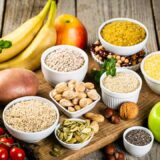








In addition to the Ayuverdic information, Ayuverda is an ancient Indian holistic health system and the well-known principle of herb is Tulsi, Ayuverda also means “knowledge of life”